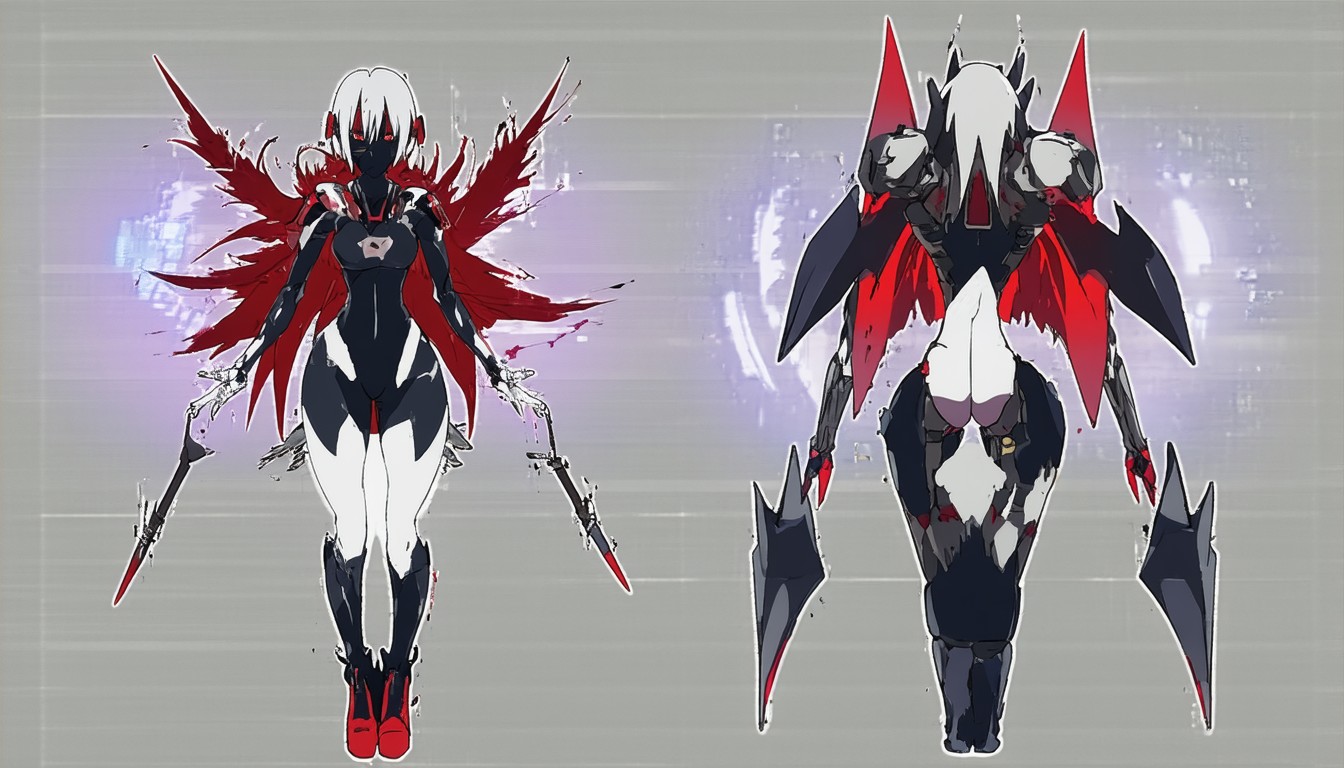
Few anime series have ignited as much discussion about their visual signatures as Kill la Kill. Released in 2013 by Studio Trigger, this frenetic action series uses transformation sequences not merely as stylistic spectacle but as crucial storytelling devices. At the heart of these scenes lies the “transformation medium”—the unique blend of animation, symbolism, music, and narrative context that sets Kill la Kill apart from countless other magical girl and action anime. Understanding how the series constructs and subverts these tropes offers insight into both Japanese animation conventions and contemporary pop culture commentary.
The Anatomy of Transformation Sequences in Kill la Kill
Stylized Animation and Symbolic Visual Language
Kill la Kill’s transformation scenes are emblematic of Studio Trigger’s maximalist approach. What initially appears to be a standard “magical girl” metamorphosis quickly mutates into a bombastic pastiche of genre conventions:
- Characters like Ryuko Matoi and Satsuki Kiryuin don “Kamui”—their sentient uniforms—which shift from innocuous outfits to bold, hyper-exaggerated armors.
- The animation style purposefully exaggerates lines, color saturation, and camera perspectives, often bordering on the surreal.
- Visual motifs, such as billowing threads, exploding light, and over-the-top action poses, heighten the sense that transformation is both liberating and violently disruptive.
These stylistic choices serve a dual function: on one level, they pay homage to decades of transformation anime, while on another, they parody and subvert the expectation of femininity and empowerment typically associated with such sequences.
The Role of Music and Sound as a Transformation Medium
Beyond the visual, music and sound design in Kill la Kill’s transformation scenes are integral to the transformation medium. Composer Hiroyuki Sawano injects electronic, rock, and orchestral elements into the soundtrack, creating a thundering backdrop that accentuates the emotional stakes each time Ryuko or Satsuki transforms.
For example, the iconic track “Don’t Lose Your Way” swells during pivotal metamorphoses, linking musical intensity to narrative turning points. Sound effects—such as the tearing of fabric or resonant blasts of energy—underscore the physical and existential transformation occurring on screen.
“Kill la Kill’s transformation sequences are masterpieces of audio-visual synchronization, blending riotous sound with kinetic visuals to express internal character change,” observes anime scholar Susan J. Napier.
Costume as Symbol: The Meaning of Kamui
On a textual level, the very fabric of the transformation—Life Fibers—acts as a literal and metaphorical medium. Kamui (Japanese for “Godrobe”) uniforms are powered by these alien fibers, amplifying the wearer’s abilities but also demanding complete openness, both physically and emotionally. This creates a charged dynamic:
- The revealing nature of the costumes acts as social commentary on objectification and gaze.
- The struggle to synchronize with the Kamui reflects themes of shame, acceptance, and empowerment.
- Costume transformations invert and challenge anime norms—where the act is less about magical alteration and more about asserting agency.
Real-World Impact and Cultural Resonance
Subverting Anime Conventions
While transformation sequences are a staple of genres like magical girl (Sailor Moon, Pretty Cure) and tokusatsu (Kamen Rider), Kill la Kill’s approach is radically self-aware. Instead of presenting transformation as a seamless, beautiful process, the series foregrounds discomfort—both for the characters and viewers.
This subversion has had a significant impact on how subsequent anime titles approach transformation scenes, encouraging them to question established conventions or pursue more self-reflexive storytelling.
Gender, Power, and the Transformation Medium
Kill la Kill’s depiction of its transformation medium invites complex readings around gender and power. While some critics argue the hypersexualized designs reinforce objectification, others see the series as actively interrogating these anxieties. Characters’ increasing comfort with their Kamui uniforms parallels their journeys toward self-acceptance.
A revealing example comes when Satsuki Kiryuin declares, “Shame does not exist to us.” The transformation medium here is not just skin-deep visual spectacle but a crucible for personal evolution.
Influence on Cosplay, Fandom, and Pop Culture
The show’s transformation sequences—and their distinctive medium—have left indelible marks beyond animation:
- Kill la Kill’s Kamui costumes are frequent and challenging cosplay choices at conventions, pushing boundaries of craftsmanship and self-expression.
- The series is referenced in academic discussions about the evolution of female representation in anime.
- Its transformation scenes are widely shared online, inspiring memes, music remixes, and fan videos that reinterpret the animation’s hyperbolic style.
Analytical Framework: Transformation Medium in Narrative Context
The Functions of the Transformation Medium
In narrative terms, the transformation medium in Kill la Kill operates on several levels:
- Plot Device: Enables characters to access powers necessary for escalating confrontations.
- Character Development: Externalizes internal conflicts, particularly issues of identity, autonomy, and vulnerability.
- Thematic Exploration: Forces viewers to confront expectations about bodies, clothing, and heroism.
Comparative Perspective: Kill la Kill and the Transformation Medium Tradition
Unlike many series where transformations are simply aesthetic or formulaic, here they are always contentious and deeply personal. Ryuko’s struggle to synchronize with Senketsu is as much an internal psychological battle as it is a visual spectacle.
This sets Kill la Kill apart from, for example, Sailor Moon, where transformations are ritually beautiful and universally empowering. Kill la Kill intentionally discomforts before it empowers, situating the transformation medium as a site of negotiation—not resolution.
Conclusion: The Enduring Power of Kill la Kill’s Transformation Medium
Kill la Kill’s transformation sequences stand as a masterclass in the convergence of audio, visual, and narrative media. Rather than functioning as empty spectacle, these moments advance character arcs, challenge genre conventions, and ignite cultural dialogues. By blending homage, parody, and biting social commentary, the “transformation medium” in Kill la Kill becomes not only a signature style but a powerful storytelling tool with lasting impact.
FAQs
What is the transformation medium in Kill la Kill?
The transformation medium in Kill la Kill refers to the multidimensional way the anime blends animation, music, symbolism, and narrative to dramatize characters’ transformations with Kamui uniforms. It moves beyond visual spectacle to interrogate issues of identity, power, and agency.
How does Kill la Kill’s transformation sequence differ from other anime?
Unlike traditional magical girl transformations, Kill la Kill‘s sequences are self-aware, disruptive, and often deliberately uncomfortable. They blend exaggerated visuals, provocative costume changes, and intense sound design to subvert established anime tropes and expectations.
What is the significance of the Kamui uniforms in the transformation medium?
Kamui uniforms symbolize both tremendous power and extreme vulnerability, demanding emotional and physical openness from their wearers. Their design forces characters to confront societal expectations about the body, ultimately becoming metaphors for self-acceptance and autonomy.
Why are transformation sequences central to Kill la Kill’s story?
Transformation sequences drive both plot and character development. They externalize internal conflicts, propel key battles, and serve as key moments where characters accept or resist their own identities and powers.
How has Kill la Kill influenced anime and pop culture?
Kill la Kill’s transformation scenes have inspired other creators to experiment with and critique transformation tropes. Its influence stretches from anime to cosplay, meme culture, and academic debate about gender and media representation.
Are there critical perspectives on the use of the transformation medium in Kill la Kill?
Yes, some critics highlight the hypersexualized costumes as problematic, while others argue that the series is actively critiquing these conventions. The transformation medium remains a subject of extensive analysis within anime scholarship and fandom alike.