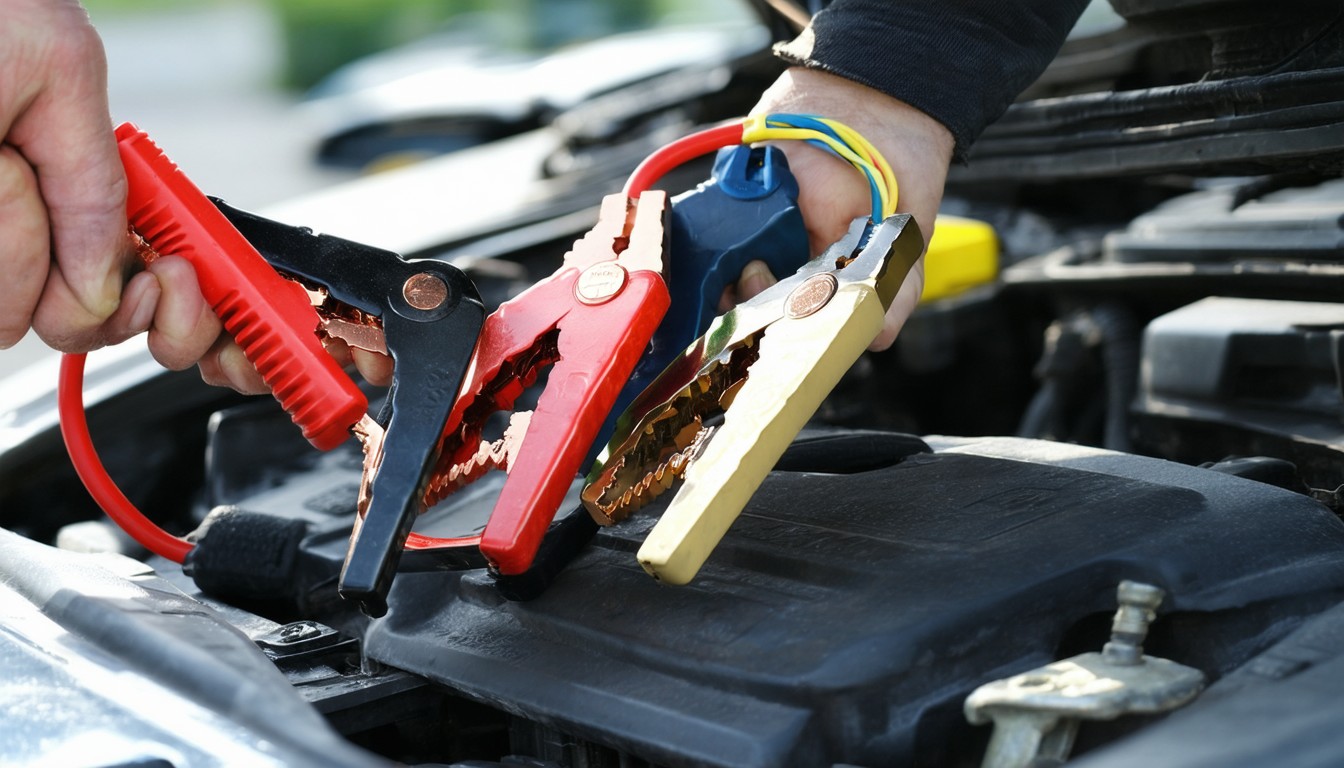
A dead car battery can catch even the most seasoned driver off guard, often at the most inconvenient times. In roadside emergencies, knowing how to use jumper cables safely and correctly transforms a stressful situation into a straightforward fix. Yet, improper jump-starts can lead to costly damage or injury—statistics from automotive service organizations indicate a notable share of vehicle electrical issues stem from avoidable missteps during battery boosts. As vehicles increasingly integrate sensitive electronics, the importance of correct technique has never been greater.
Essential Equipment: What You Need Before You Begin
Before attempting to jump-start a car, it’s critical to gather the right tools and assess both vehicles’ conditions.
Checklist: Safe Jump-Start Preparation
- Quality Jumper Cables: Opt for heavy-gauge, well-insulated cables at least 10–12 feet long.
- Functioning Donor Vehicle: Ensure this vehicle has a fully charged battery of similar voltage.
- Safety Equipment: Gloves and eye protection minimize risk in rare but possible mishaps.
- Owner’s Manual: Some vehicles, especially hybrids or those with unique electrical systems, require special instructions.
Many roadside incidents occur simply because drivers attempt jump-starts with inadequate equipment or without understanding their own car’s electrical layout.
Step-by-Step Process: How to Use Jumper Cables Safely and Correctly
Following a clear, step-by-step framework minimizes risk and maximizes your chance of a successful jump-start.
1. Preparing Both Vehicles
- Park cars nose-to-nose or side-by-side, close enough for the jumper cables to reach both batteries, but ensure vehicles do not touch.
- Turn off ignitions and all electrical systems (radio, lights, air conditioning).
- Engage both vehicles’ parking brakes.
2. Connecting the Jumper Cables in Correct Order
The proper sequence for attaching jumper cables is crucial, as crossing connections can cause sparking, damage electronics, or even lead to battery explosions.
The Ideal Sequence
- Red Clamp to Dead Battery Positive (+): Attach the red (positive) cable to the positive terminal on the dead battery.
- Red Clamp to Donor Battery Positive (+): Connect the other end of the red cable to the positive terminal on the charged battery.
- Black Clamp to Donor Battery Negative (–): Attach the black (negative) cable to the negative terminal on the donor battery.
- Black Clamp to Unpainted Metal on Dead Car: Finally, clip the remaining black clamp to an unpainted metal surface under the hood of the dead car—such as a bolt or bracket—away from the battery, to ground the circuit safely.
“Attaching the negative cable to a metal engine component, rather than directly to the battery, mitigates the risk of explosive hydrogen gas igniting—a detail many motorists overlook,” explains Mark Sadowski, a veteran automotive technician.
3. Start the Engine Sequence
- Start the donor car and let it idle for a few minutes to transfer charge.
- Attempt to start the dead car. If it fails to start after a few tries, wait a few more minutes.
- Once the dead vehicle starts, let both cars run, connected, for several minutes to ensure the battery gains enough charge.
4. Safely Disconnecting the Jumper Cables
Remove cables in the reverse order that you attached them:
- Black clamp from grounded metal on dead car
- Black clamp from donor battery negative
- Red clamp from donor battery positive
- Red clamp from dead battery positive
Being systematic reduces the risk of accidental short circuits or arcing.
5. Aftercare: Ensuring Long-Term Battery Health
Keep the jumped vehicle running for at least 15–30 minutes or drive it to help the battery recharge. If your car fails to hold a charge after multiple jump-starts, the battery or charging system may need professional attention.
Key Safety Precautions When Using Jumper Cables
Jump-starting is generally safe when performed correctly. However, with modern vehicles’ computerized systems, certain missteps can lead to costly repairs.
Common Pitfalls and How to Avoid Them
- Reverse Polarity: Connecting cables to the wrong terminals can blow fuses and damage sensitive engine computers.
- Damaged Batteries: Swollen or leaking batteries should not be jumped; seek professional help.
- Incompatible Vehicles: Do not attempt to jump vehicles with mismatched voltages or those equipped exclusively for push-to-start systems without referring to the manufacturer.
Special Circumstances: Hybrids and EVs
Most hybrid and electric vehicles have jump-start points separate from the traditional battery terminals, and improper procedures can void warranties or result in injury. Always consult the owner’s manual for guidance tailored to advanced vehicle technology.
Real-World Scenario: When a Simple Jump Goes Wrong
Consider the story of a business traveler stranded in an airport parking lot whose attempt at a DIY jump-start triggered the check engine light—resulting in lost time and an expensive repair. Upon investigation, a mechanic found a blown fuse from an accidental cable spark near sensitive electronics. Such scenarios underscore the stakes involved and the value of methodical, safety-first action.
Expert Tips for Troubleshooting and Battery Care
A successful jump-start is often only a short-term fix if underlying battery or alternator issues persist. The following guidelines help maximize battery life and minimize emergencies:
- Clean corrosion from battery terminals regularly.
- Secure the battery in place to prevent vibration damage.
- Turn off lights and accessories before exiting the car.
- Test the battery biannually, especially in regions with extreme temperatures.
Routine care not only prevents breakdowns but can extend battery lifespan well beyond the typical three to five years.
Conclusion: Safe, Correct Use Prevents Headaches and Hazards
Mastering the safe use of jumper cables blends basic technical knowledge with careful, step-by-step action. With quality equipment, a clear sequence, and respect for both classic and modern vehicle requirements, most drivers can resolve common battery emergencies without mishap. When in doubt—especially with unfamiliar hybrids or repeatedly dead batteries—professional assistance remains the safest path. Reliable jump-starts save time, money, and frustration, but only when performed with understanding and caution.
FAQs
What kind of jumper cables should I buy?
Choose cables that are thick (at least 6-gauge), well-insulated, and long enough to comfortably reach between two vehicles. Higher-quality clamps and insulation help prevent overheating and ensure safer operation.
Can I jump-start any car with jumper cables?
Most traditional gasoline vehicles can be jump-started, but check the owner’s manual, especially for luxury cars, hybrids, and electric vehicles, as they may require special procedures or equipment.
Is it dangerous to connect the black cable to the dead battery’s negative terminal?
Connecting the negative cable directly to the dead battery can cause sparks near possible hydrogen gas, increasing explosion risk. Clipping it instead to bare metal away from the battery is much safer.
How long should I drive my car after a jump-start?
Driving for at least 20–30 minutes helps restore battery charge, particularly if it died from an accidentally drained load (like headlights). If the battery continues to lose power, seek diagnostics from a professional.
Why won’t my car start even after using jumper cables?
Persistent starting issues after a correct jump may indicate a worn-out battery, a faulty alternator, or another electrical problem. Have the vehicle inspected to avoid further breakdowns.
Can jumper cables damage my car’s electronics?
Incorrect connections or voltage mismatches can harm sensitive electronics. Always follow the proper sequence and consult your manual for any manufacturer warnings.