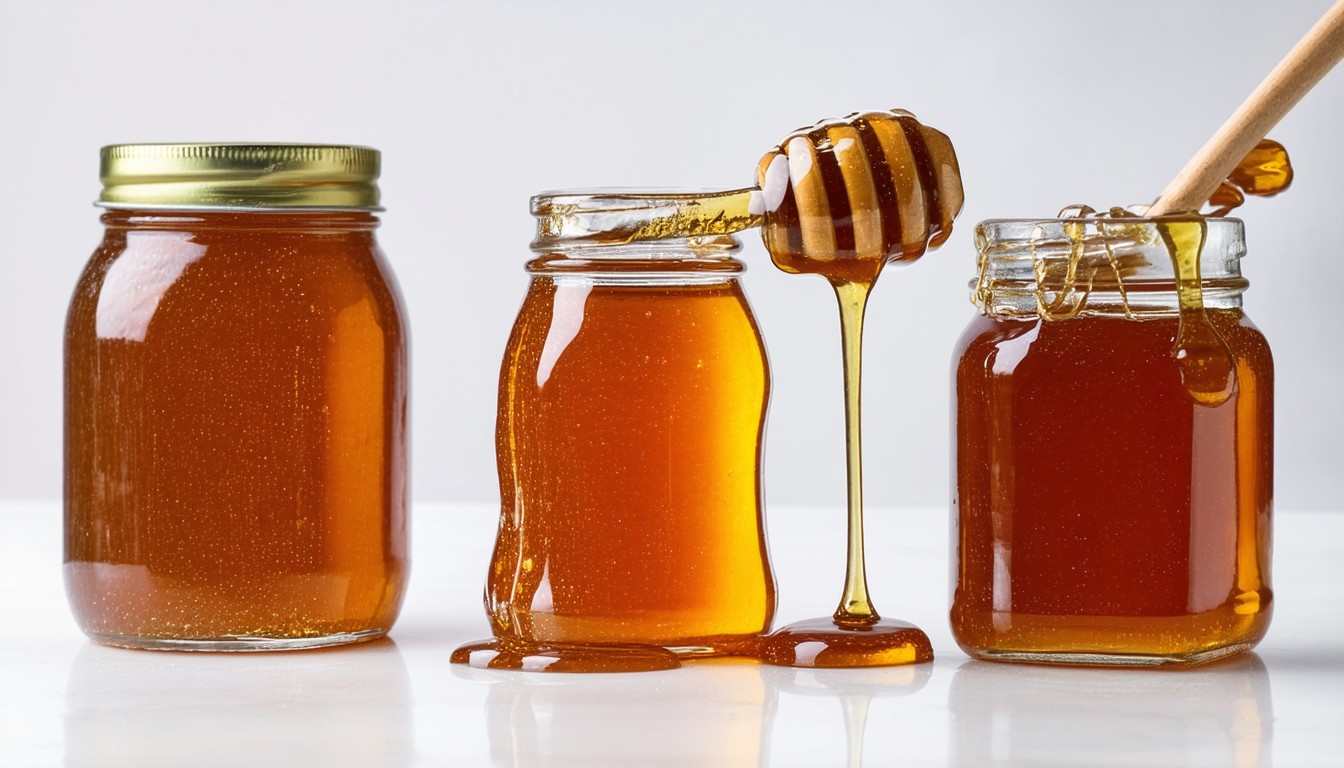
Honey has long held a legendary reputation in human culture, not just for its sweetness but for its remarkable staying power. Archaeologists have famously uncovered jars of honey in ancient Egyptian tombs—still edible after thousands of years. But does this popular folklore hold up in the kitchen? Can honey really last forever, or does it eventually go bad? Unpacking the science behind honey’s longevity reveals why it stands among the few foods with an almost mythic shelf life.
Why Does Honey Resist Spoilage?
The Science of Honey’s Longevity
Fundamentally, honey’s resilience comes down to three main attributes: low moisture content, high acidity, and a robust mix of natural compounds. Its sugar ratio creates a hostile environment for most bacteria and molds, while its acidity (with a pH typically between 3.2 and 4.5) further discourages microbial activity. Furthermore, bees add an enzyme—glucose oxidase—when making honey. This enzyme helps produce hydrogen peroxide, lending additional preservative effects.
“Honey is naturally antimicrobial, largely due to its low water activity and the presence of hydrogen peroxide, which together inhibit the growth of microorganisms,” explains Dr. Eva Crane, noted honey researcher and author of The World History of Beekeeping and Honey Hunting.
A Unique Food Preservation Model
Unlike jams and preserves that rely on added sugar or canning techniques, honey preserves itself. Research from various food safety authorities, including the National Honey Board and the USDA, support honey’s near-indefinite shelf life if stored under optimal conditions. This makes honey one of the most stable foods on grocery shelves worldwide.
When Can Honey Go Bad? Myths vs. Reality
Does Honey Ever Actually Expire?
In practice, true honey rarely goes “bad” in a way that’s harmful. Properly sealed, raw honey can last for decades, even centuries, with its safety and sweetness intact. However, it may undergo changes in texture, color, and aroma—changes that confuse many consumers into thinking their honey has spoiled.
Commercial honey sometimes contains added moisture or fillers, making it more prone to fermentation or mold if not handled properly. Additionally, contaminants introduced during processing or packaging could increase the risk of spoilage.
Signs That Honey May Have Spoiled
Though rare, honey can become unsafe under certain conditions. Key indicators include:
- Fermentation: If honey smells sour or alcoholic, it may be fermenting due to excess moisture.
- Mold Growth: Surface mold is a sign of contamination, usually from improper storage.
- Strange Bubbles: Persistent bubbling often signals fermentation.
Crystallization (turning solid or cloudy) is not a sign of spoilage and occurs naturally as glucose separates from the water content. Gently warming the jar in hot (not boiling) water can reverse this process.
How to Store Honey for Maximum Quality
Key Storage Principles
Honey’s longevity is best preserved when kept:
- In a tightly sealed container: Preferably glass or BPA-free plastic.
- At room temperature: Away from sunlight and heat sources, ideally at 50–70°F (10–21°C).
- Dry and clean: Moisture exposure invites spoilage.
Kitchen cabinets and pantries are ideal; avoid storing honey in the refrigerator, as cooler temperatures accelerate crystallization.
Common Storage Mistakes
- Leaving lids loose: Allows moisture absorption.
- Using wet utensils: Introduces water and microbes.
- Frequent temperature changes: Triggers crystallization or fermentation risks.
Anecdotally, many beekeepers note that honey kept directly from the hive in properly sealed jars has remained unchanged for decades—even in home pantries subject to temperature shifts.
Real-World Examples: When Honey Goes Wrong
Case Example 1: Home Fermentation
A home cook, curious about gourmet honeys, purchased raw honey from a farmers market only to find it bubbling and sour-smelling after several weeks. Upon closer review, the seller’s jar was reused and not fully sterilized, and the honey had been exposed to humid air, leading to unwanted fermentation.
Case Example 2: Supermarket Brand Failure
Several large-scale recalls have occurred when substandard processing led to honey with higher-than-normal water content. In hot, humid climates, such honey can ferment or develop mold when stored improperly, affecting both taste and safety.
These cases, while not the norm, highlight the importance of quality control from harvest to storage.
How Long Does Honey Really Last?
Shelf Life of Raw vs. Processed Honey
- Raw honey (unfiltered, unpasteurized) holds up well for years if sealed and stored correctly.
- Commercial honey may include stabilizers, but almost all reputable brands promise a shelf life of at least one to two years. In reality, honey rarely “expires” so long as it isn’t contaminated or diluted.
International standards, such as those from Codex Alimentarius, do not require honey to carry an official expiration date due to its unique composition. But “best by” dates are common practice to reflect peak quality and taste.
What About Crystallized Honey?
Crystallization, while common, does not indicate spoilage. It merely reflects glucose shifting out of solution—a purely aesthetic shift. Reviving crystallized honey by warming it gently poses no safety concerns and preserves flavor.
Conclusion: Honey’s Shelf-Stable Brilliance
Quality honey is as close to everlasting as a food can be, provided it’s kept dry, sealed, and free from outside contamination. Crystallization and color change are natural and not signs of spoilage. Only honey that shows obvious fermentation, mold, or other unnatural changes should be discarded. For those who value nutrition, taste, and food longevity, honey is an unparalleled staple—outlasting nearly anything else in your pantry.
FAQs
Does honey ever expire?
Pure, raw honey does not technically expire due to its natural preservatives, provided it’s stored correctly. Over time, honey may change texture or appearance, but it remains safe for consumption unless clear signs of spoilage are present.
How can I tell if honey has spoiled?
Spoiled honey may ferment (smelling sour or alcoholic), develop mold, or show persistent bubbles. However, crystallization or slight color shifts are natural and do not indicate spoilage.
What is the best way to store honey at home?
Store honey in a tightly sealed container at room temperature, away from direct sunlight and heat. Avoid refrigeration and ensure utensils used are dry to prevent introducing moisture.
Is it safe to eat crystallized honey?
Yes, crystallized honey is perfectly safe to eat and has the same flavor and nutritional value as liquid honey. You can restore its liquid state by gently warming the jar in hot water.
Can honey go bad if water gets in?
Yes, introducing water can increase the risk of fermentation, which leads to spoilage. Always use clean, dry utensils and keep the jar sealed to avoid contamination.