Navigating the shelf life of eggs isn’t just a matter of reading a date on a carton—it’s about understanding factors that impact freshness, food safety, and even flavor. Whether you shop weekly at a farmer’s market or stock up during grocery sales, knowing how long eggs remain good for is key to reducing waste and ensuring kitchen safety.
Eggs are a staple in households around the world, valued for their versatility and nutritional benefits. At the same time, confusion about storage, expiry labels, and the best ways to check freshness persists, fueled by varying guidelines and myths. Let’s break down what the science—and industry experience—say about how long eggs are good for, and what practical steps can help extend their life.
How Long Eggs Really Last: Shelf Life Explained
The shelf life of eggs depends on several interrelated factors: how they are processed, how soon after laying they’re refrigerated, and ongoing storage conditions. In the U.S., commercially produced eggs are generally washed, graded, and refrigerated before sale. Eggs labeled with a “sell by” or “best by” date typically remain safe and usable for several weeks beyond those printed dates if kept refrigerated.
Key Factors Influencing Egg Longevity
- Refrigeration: Consistent refrigeration slows the growth of bacteria and preserves quality. Eggs stored at or below 40°F (4°C) can remain good for three to five weeks after bringing them home, regardless of the expiration date.
- Washing & Bloom Removal: Commercial washing removes the natural protective cuticle (“bloom”) from eggshells, which slightly shortens their shelf life compared to unwashed eggs from backyard flocks or farmers markets.
- Packaging Dates: Some cartons display a “Julian date”—a three-digit number indicating the day of the year eggs were packed. Fresh eggs can last about 4–5 weeks post-pack date if refrigerated.
“Eggs can be consumed safely for weeks beyond the carton date, provided they are consistently refrigerated and handled with care,” says Dr. Paul Patterson, professor of poultry science at Penn State University.
How Long Are Eggs Good For in Different Scenarios?
- Store-Bought, Refrigerated Eggs: About 3–5 weeks after purchase, sometimes longer if stored consistently cold.
- Farm-Fresh (Unwashed) Eggs: Unwashed eggs can last up to two weeks at room temperature and up to three months if refrigerated.
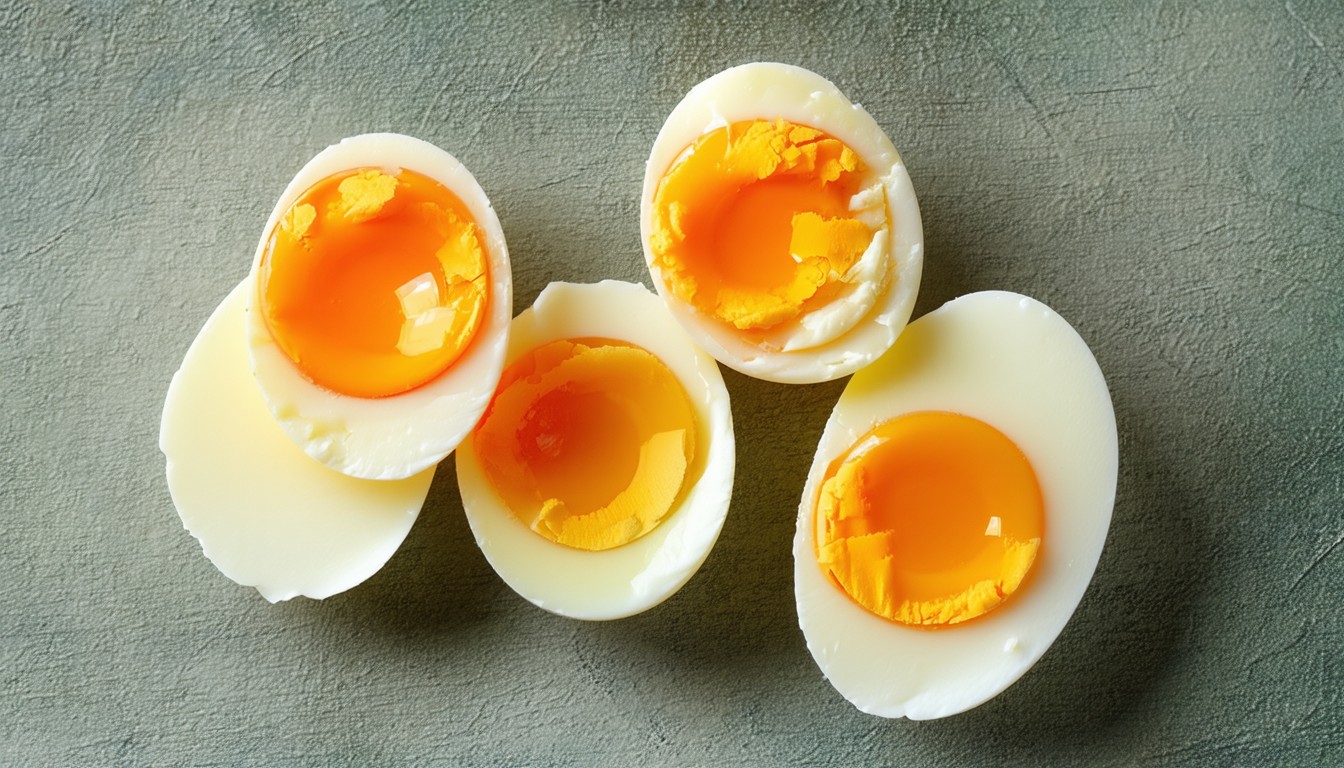
- Hard-Boiled Eggs: Boiled eggs have a shorter window—about one week in the fridge, due to removal of the protective coating during cooking.
Storage Tips: Maximizing Egg Freshness and Safety
Preserving egg freshness depends as much on how you handle them as on their age. Following basic best practices at home can double the usable life of most eggs in your refrigerator.
Storing Eggs in the Refrigerator
- Keep Eggs in the Original Carton: The carton protects eggs from absorbing strong odors and helps maintain moisture.
- Store on an Inside Shelf: The refrigerator door’s temperature fluctuates more; instead, place eggs near the back or middle shelves where it stays colder.
- Avoid Washing Before Storage: If eggs are unwashed, wait until just before use to wash them; washing can remove their natural coating and make them more susceptible to bacteria.
What About Freezing Eggs?
Eggs can be kept even longer if frozen, but only after being cracked and lightly beaten (for raw eggs) or cooked (for cooked whites or yolks). Frozen eggs may last up to a year, though some changes in texture are expected upon thawing.
Detecting Spoilage: Signs an Egg Has Gone Bad
Even with careful storage, all eggs will eventually spoil. Fortunately, signs of spoilage are usually noticeable—both before and after cracking the shell.
Simple Home Freshness Tests
- The Float Test: Submerge an egg in a bowl of water. Fresh eggs sink and lie flat; older eggs stand or float, which can indicate air has seeped in, increasing the risk of spoilage.
- Sniff Test: A rotten egg smells unmistakably foul—sulfurous and off—even with a faint whiff after cracking.
- Visual Inspection: Check for cracks, powdery residue, or a slimy appearance on the shell. Inside, look for discoloration or unusual spots in the yolk or white.
The Difference Between Quality and Safety
Slight changes—such as runny whites or a slightly faded yolk—are more about declining quality than safety. Only discard eggs with strong odors or visual signs of spoilage.
Understanding Expiration Dates and Regulation
Egg date labeling can seem confusing, especially with state and country variations. In the U.S., egg cartons may have a “sell by,” “best by,” or “expiration” date—often not required by federal law, except for USDA-graded eggs.
Date Labels: What They Really Mean
- Sell By: Retailers use this as a stock rotation tool; eggs are typically good for weeks past this date.
- Best By/Use By: Indicates when the eggs will be at peak quality, not necessarily when they become unsafe.
- Pack Date: The Julian date marks when eggs were packed, which can offer a more precise indicator of freshness.
Industry Approach and Food Safety Guidance
The USDA recommends using eggs within three to five weeks of purchase and always keeping them refrigerated. This guideline is informed by studies showing that pathogen risk remains low within this window if eggs are handled hygienically.
Conclusion: Key Takeaways for Egg Freshness and Safe Use
Understanding how long eggs are good for—whether marked by dates, storage tactics, or freshness tests—offers both cost savings and peace of mind. The single most important factor for extending egg shelf life remains reliable refrigeration. Use simple at-home freshness checks if you have doubts, and rely more on sensory indicators than printed dates alone. Ultimately, safe egg handling is about combining best practices with your senses and informed caution.
FAQs
How long are eggs good for after the sell-by date?
Eggs remain safe to eat for about three to five weeks beyond the sell-by date if refrigerated properly. The exact window depends on storage conditions and overall handling.
Can eggs be stored at room temperature?
Unwashed, farm-fresh eggs can last about 1–2 weeks at room temperature, but U.S. store-bought eggs should always be refrigerated to minimize food safety risks.
How do I know if an egg is bad without cracking it open?
Performing the float test by placing the egg in water can help: fresh eggs sink while outdated eggs tend to float due to increased air inside.
Are eggs still safe if the whites are watery or the yolk is pale?
These changes typically impact texture and appearance rather than safety. As long as there is no foul odor or visible mold, the eggs can be cooked and eaten safely.
Does freezing affect the quality of eggs?
Freezing can extend the life of eggs for up to a year, though some texture changes may occur when thawing, especially in whites. Eggs should be cracked and beaten before freezing to prevent shell breakage.
What is the best way to store eggs at home?
Keep eggs in their original, closed carton on a main shelf in the refrigerator, not on the door, to ensure consistent cold and minimize quality loss.